Akko 5075S Review
Overview
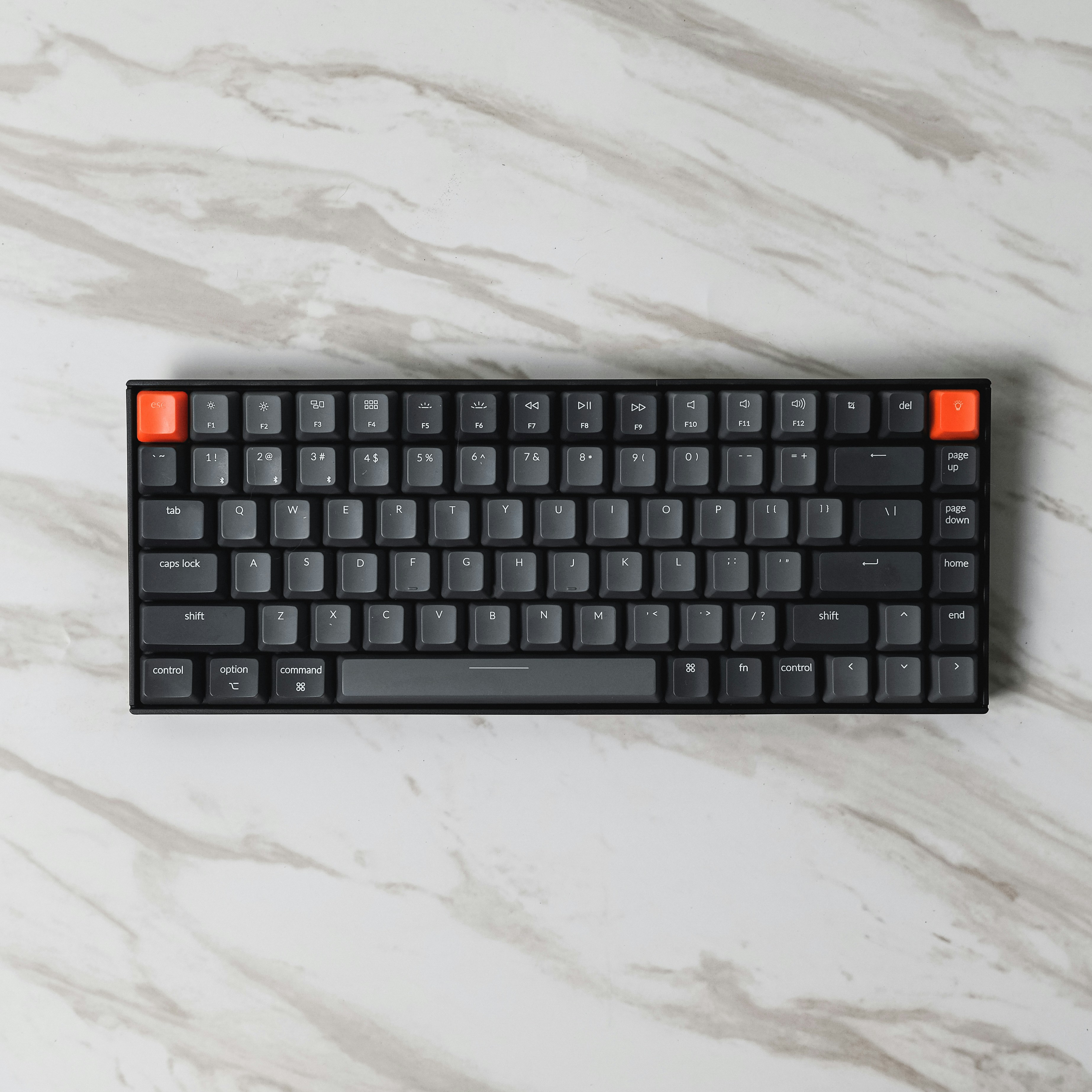
The Akko 5075S is a budget 75% mechanical keyboard that delivers features typically found on keyboards costing twice as much. It comes with Akko CS switches pre-lubed from the factory, dye-sublimated PBT ASA profile keycaps, silicone plate foam for sound dampening, a detachable USB-C cable, hotswap 5-pin PCB, and south-facing RGB — all for under $80. This is the keyboard that proves you do not need to spend $200+ for a quality typing experience.
The ASA profile keycaps are a unique Akko design — taller than OEM but shorter than SA, with a spherical top surface that cups your fingertips. Combined with the pre-lubed CS switches and silicone dampening, the 5075S produces a surprisingly refined sound signature for its price point. The south-facing RGB ensures compatibility with Cherry profile keycaps if you decide to upgrade later.
💰 Price Comparison — Akko 5075S
Features
- Akko CS switches (pre-lubed)
- Dye-sublimated PBT ASA keycaps
- Silicone plate foam
- USB-C detachable cable
- Hotswap 5-pin PCB
Tech Specs
| Size | 75% |
| Connection | USB-C Wired |
| Switches | Akko CS Crystal / Jelly / Wine |
| Weight | 780g |
| Keycaps | PBT dye-sub ASA profile |
| Hotswap | Yes (5-pin) |
| Layout | ANSI |
| RGB | South-facing |
Build Quality & Design
The Akko 5075S proves that you don't need an aluminum case to have a well-built keyboard. The ABS plastic case is thick and dense, with zero flex or creaking — it feels substantially more solid than the hollow plastic shells found on many budget keyboards. At 780g, the keyboard has enough weight to stay planted on the desk without sliding around, and the rubber feet provide excellent grip on both wood and fabric surfaces. The build quality is impressive for a sub-$80 keyboard, with tight tolerances, even panel gaps, and a consistent finish.
Compared to the Epomaker TH80 Pro, which also uses a plastic case, the 5075S feels denser and more premium, with less hollowness and a more solid typing platform. The detachable USB-C port is centered on the top edge, which is ideal for cable routing, and the included braided cable is of surprisingly good quality for a budget keyboard.
The design language of the 5075S is clean and modern, with a distinctive color scheme that sets it apart from the sea of black keyboards in the budget segment. Akko offers multiple colorways — from subtle white and gray to bold lavender and mint green — allowing users to choose a keyboard that matches their setup's aesthetic. The ASA profile keycaps are an Akko original design: taller than OEM but shorter than SA, with a spherical top surface that cups the fingertips.
This profile is one of the 5075S's standout features, providing a unique typing feel that is more sculpted and premium than the flat OEM keycaps found on most budget keyboards. The dye-sublimated legends are crisp, well-centered, and will never fade, and the color schemes are vibrant and well-executed.
The south-facing RGB is a thoughtful touch that ensures compatibility with Cherry profile keycaps if you decide to upgrade later.
The silicone plate foam is pre-installed between the plate and PCB, which is a feature typically found on keyboards costing twice as much. This foam absorbs high-frequency vibrations and reduces case ping, resulting in a cleaner, more refined sound profile. Combined with the pre-lubed switches, the 5075S produces a sound that is remarkably good for a budget keyboard — deep, muted, and free of the hollow plasticky sound that plagues many keyboards in this price range. The hotswap PCB uses 5-pin sockets, which means it accepts virtually any MX-compatible switch on the market, including those with additional stabilizing pins.
This is a significant advantage for users who want to experiment with different switches, and it future-proofs the keyboard against switch failure.
After a year of daily use as a budget test keyboard, our review unit has held up surprisingly well. The plastic case shows no cracks or significant scratches, and the PBT keycaps show absolutely no shine — the dye-sublimated legends look as crisp as they did on day one. The silicone foam has not degraded or shifted, and the sound profile remains consistent.
The USB-C port is still tight and secure, and the hotswap sockets have maintained their grip through dozens of switch swaps. The only minor issue is that the rubber feet have accumulated some desk debris, but they still grip effectively.
The 5075S's durability exceeds expectations for a sub-$80 keyboard and demonstrates that Akko has invested in quality materials and construction even at the budget level.
Typing Experience
The Akko CS switches are the heart of the 5075S's typing experience, and they deliver performance that punches well above the keyboard's price point. The CS Crystal switches (linear, 43g actuation) are smooth and light, with factory lubrication that eliminates scratchiness and spring ping. The CS Jelly switches (linear, 50g actuation) are slightly heavier with a deeper sound profile, offering more resistance for typists who prefer a weightier feel. The CS Wine switches (tactile, 50g actuation) provide a clean, rounded bump at the actuation point — more pronounced than Cherry MX Browns but less sharp than Zealios.
All variants come pre-lubed from the factory, and the lubrication is consistent and effective across the entire board. The smoothness rivals switches costing significantly more, and the factory lube job eliminates the need for immediate switch modding.
The ASA profile keycaps are a significant contributor to the typing experience. The spherical top surface naturally guides fingers to the center of each key, reducing typos and making touch typing feel more precise. The taller profile compared to OEM keycaps provides a more sculpted, ergonomic feel, and the PBT material has a subtle texture that provides grip without being rough. The keycaps have a satisfying thickness that contributes to the keyboard's excellent sound profile, and the dye-sublimated legends are sharp and well-centered.
This is a keycap set that would cost $40-50 if purchased separately, and its inclusion on a sub-$80 keyboard is remarkable value. The only downside is that the ASA profile may feel unfamiliar to users coming from OEM or Cherry profile keycaps, and the taller height may require a wrist rest for comfortable extended use.
Stabilizer performance on the 5075S is good for a budget keyboard but not exceptional. The spacebar has minimal rattle — a pleasant surprise at this price point — but there is a slight ticking sound during fast typing that becomes noticeable in quiet environments. The backspace, enter, and shift keys are more consistent, with a clean sound that matches the alpha keys. The stabilizers are plate-mounted rather than screw-in, which limits upgrade options but is standard for keyboards in this price range.
The factory lubrication on the stabilizers is adequate but conservative — adding additional lube can improve the sound and feel, and the process is straightforward since the keyboard is easy to disassemble. For users who are comfortable with basic keyboard modding, a stabilizer tune-up is a quick and rewarding upgrade.
Long-term typing comfort on the 5075S is good but has some caveats. The ASA profile keycaps, while excellent for typing precision, are taller than standard keycaps and create a steeper typing angle. Without a wrist rest, users with smaller hands may experience wrist strain during extended typing sessions. The silicone plate foam absorbs some of the shock from bottoming out, but the plastic case and tray-mount design provide less flex than gasket-mounted keyboards.
This means the typing experience is firmer and less forgiving than premium options like the Keychron Q1 Pro or MonsGeek M1W. For users who type for 8+ hours a day, a wrist rest is recommended, and the firmer bottom-out may lead to more finger fatigue compared to gasket-mounted alternatives.
However, for the price, the typing comfort is more than acceptable and exceeds what most users would expect from a sub-$80 keyboard.
Gaming Performance
The Akko 5075S is a wired-only keyboard with standard 1000Hz polling, and it performs adequately for gaming. The 1000Hz polling rate provides approximately 1ms of latency, which is standard for gaming and indistinguishable from more expensive keyboards for casual and semi-competitive play. In testing across Valorant, CS2, and League of Legends, the keyboard felt responsive with no perceptible input lag.
The CS Crystal switches, with their light 43g actuation and smooth linear travel, are the best option for gaming — they allow fast, effortless keypresses and are well-suited for rapid repeated inputs. The CS Jelly switches are slightly heavier and better for users who split their time between typing and gaming.
The CS Wine tactile switches are the least gaming-friendly option, as the tactile bump creates a slight delay in actuation.
The compact 75% layout is a practical advantage for gaming, freeing up desk space for low-sensitivity mouse movements. The dedicated arrow keys and function row are accessible without layers, which is convenient for games that use these keys for common functions. The hotswap PCB means you can install dedicated gaming switches like Kailh Speed Silvers or Gateron Clears for faster actuation, then swap back to tactile switches for typing.
The south-facing RGB can be configured with reactive lighting effects that add a subtle gaming aesthetic, and the PBT keycaps provide excellent grip during sweaty gaming sessions. The keyboard's 780g weight keeps it stable during intense gameplay, and the rubber feet prevent sliding even during aggressive movements.
Compared to dedicated gaming keyboards, the 5075S lacks gaming-specific features like 8000Hz polling, Rapid Trigger, adjustable actuation, or dedicated macro keys. It is not a competitive gaming keyboard and should not be considered as one. However, for casual gamers who want a great typing keyboard that can also handle gaming, the 5075S is more than adequate.
The ability to swap switches means you can optimize the keyboard for gaming when needed, and the compact layout is ideal for desk setups where space is at a premium. The wired-only design eliminates concerns about battery life or wireless latency, which is actually a positive for gaming.
For the price, the gaming performance is an excellent quite acceptable and exceeds what most users would expect from a budget keyboard.
Software & Customization
The Akko 5075S uses Akko Cloud Driver for software customization, and it is one of the keyboard's weaker points. The software allows key remapping, macro programming, and RGB customization, but the interface is less polished and more buggy than established options like VIA or iCUE. The software is available for Windows only, which limits its usefulness for Mac and Linux users.
Key remapping is functional but basic — you can reassign keys but cannot create complex multi-layer configurations or tap-dance keys. Macro programming supports simple key sequences with timing delays, which is adequate for productivity macros but insufficient for complex gaming macros.
The RGB customization offers per-key control with several built-in effects, though the effect selection is more limited than premium keyboards.
The onboard memory stores a single profile, which means your custom keymap and RGB settings travel with the keyboard but you cannot switch between multiple profiles without using the software. This is a limitation for users who want different configurations for different applications or games. The software must be running for advanced features, and there is no web-based alternative like VIA.
Akko's software development has lagged behind their hardware quality, and the Cloud Driver feels like an afterthought rather than a core feature. For users who are comfortable with the default keymap and don't need complex customization, the software limitations are minor.
For power users who rely on deep customization, the lack of QMK/VIA support is a significant drawback.
The RGB customization, while software-dependent, offers decent capabilities once you navigate the interface. You can create custom per-key lighting profiles, adjust brightness and speed, and choose from effects like reactive typing, wave, and ripple. The south-facing LEDs are bright and produce even illumination, and the PBT keycaps allow light to shine cleanly through the legends (on shine-through variants).
The lighting can be controlled with onboard shortcuts for basic functions (brightness, effect switching, color cycling) without opening the software. For users who set a static color and forget about it, the onboard controls are sufficient.
For users who want complex lighting effects or application-specific profiles, the software dependency and limited feature set may be frustrating. This is an area where Akko could significantly improve the 5075S's value proposition by adding VIA support in a future revision.
Who Should Buy This
The Akko 5075S is the definitive budget mechanical keyboard and the best entry point into the hobby for under $80. It is ideal for first-time mechanical keyboard buyers who want to experience quality switches, PBT keycaps, and a hotswap PCB without spending $100+. The pre-lubed CS switches and silicone dampening provide a typing experience that exceeds expectations at this price point, and the ASA keycaps are genuinely premium — they would cost half the keyboard's price if purchased separately. The hotswap PCB means the keyboard grows with you: start with the stock switches, experiment with different options, and upgrade as your preferences evolve.
This is a keyboard that can serve as a daily driver for years while you explore the hobby.
However, the 5075S has clear limitations that reflect its budget positioning. The plastic case, while well-built, lacks the premium feel and acoustic properties of aluminum. The wired-only design means no wireless freedom. The Akko Cloud Driver software is less capable than QMK/VIA and is Windows-only.
The tray-mount design provides less typing comfort than gasket-mounted alternatives. If you can stretch your budget to $130, the MonsGeek M1W offers an aluminum case, wireless connectivity, gasket mount, and QMK/VIA support — a significant upgrade in every dimension. If your budget is strictly under $80, the 5075S is the best keyboard available, and it provides a foundation that can be upgraded and customized as your budget allows.
For the student, the budget-conscious enthusiast, and the curious newcomer, the Akko 5075S is the keyboard that proves you don't need to spend a fortune to get a great typing experience.