Full-Size (100%)
The full-size keyboard is the traditional layout most people are familiar with, featuring 104 keys including a dedicated number pad, function row, navigation cluster, and arrow keys. This layout is ideal for professionals who frequently work with spreadsheets, data entry, or any task requiring extensive numeric input. The generous spacing and familiar layout mean zero learning curve, but the trade-off is a large footprint that consumes significant desk real estate and forces your mouse further from your body, potentially causing shoulder strain over time.
TKL (Tenkeyless / 80%)
TKL keyboards remove the number pad while retaining the function row, navigation cluster, and arrow keys, typically offering 87 keys. This is widely considered the sweet spot for gamers and programmers — you get a more ergonomic typing position with the mouse closer to center, while keeping all the essential keys for productivity. The compact form factor also makes TKL boards easier to transport and frees up desk space for larger mouse pads, which is crucial for low-DPI FPS gaming.
75% Layout
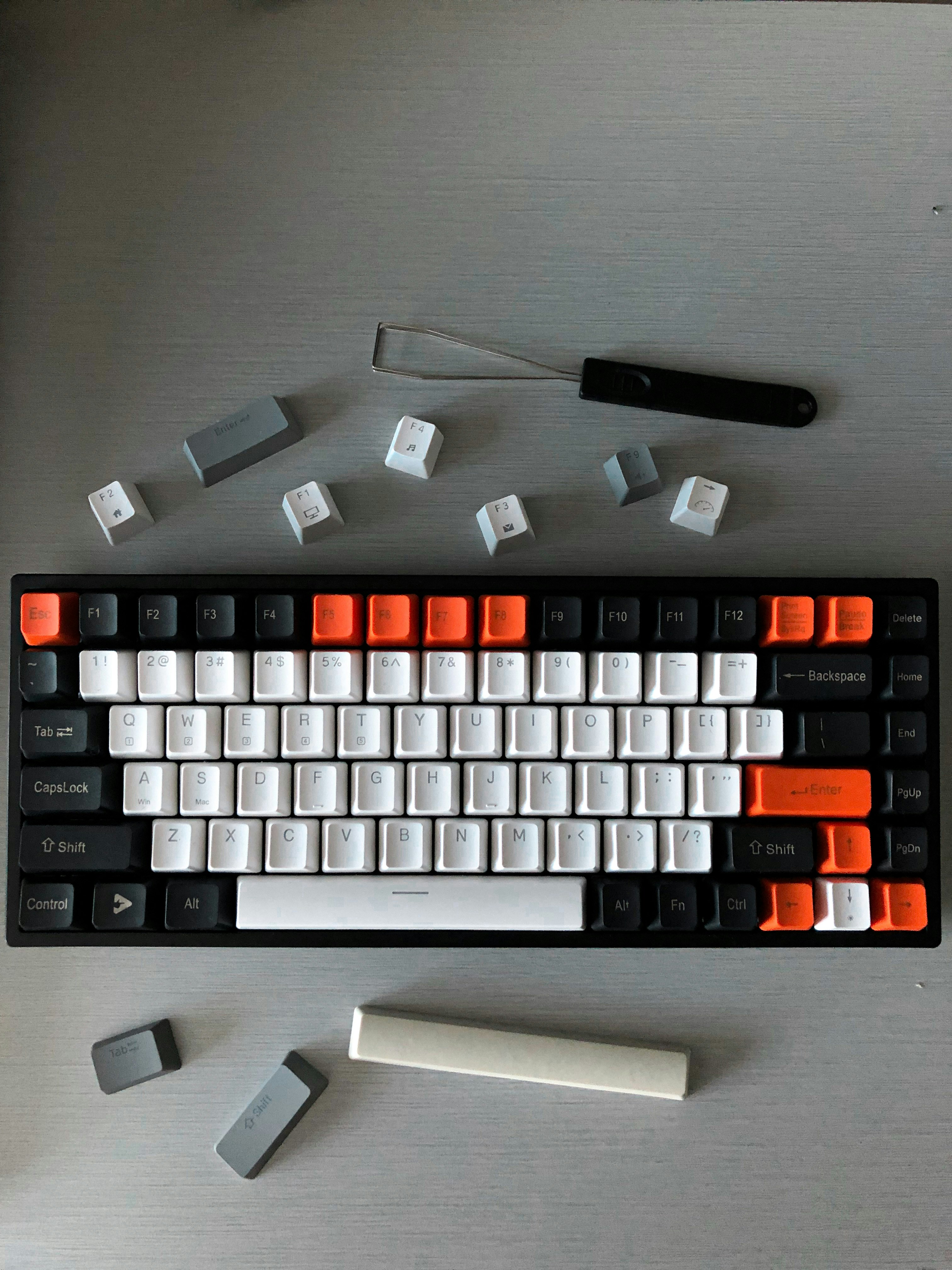
The 75% layout squeezes the TKL layout into an even smaller footprint by removing gaps between key clusters and sometimes relocating keys like Insert, Delete, Page Up, and Page Down into a single column on the right side. With approximately 84 keys, this layout offers nearly all the functionality of a TKL in a case that's only slightly larger than a 65%. It's an excellent choice for users who want maximum desk space savings without sacrificing dedicated function keys.
65%, 60%, and 40% Layouts
The 65% layout (around 68 keys) keeps the alphanumeric section plus arrow keys and a few navigation keys like Delete, Page Up, and Page Down. It's a popular choice for custom keyboard builds and offers a great balance of compactness and usability. The 60% layout strips things down to just 61 keys — no arrow keys, no function row, no navigation cluster.
Everything is accessed via layers and key combinations, which has a steeper learning curve but rewards users with the cleanest, most minimalist aesthetic. The 40% layout takes minimalism to the extreme with roughly 45-50 keys, requiring heavy use of layers even for basic punctuation and numbers.
These keyboards are primarily for enthusiasts who enjoy the challenge of optimizing their workflow through custom keymaps.