What Is the ANSI Layout?
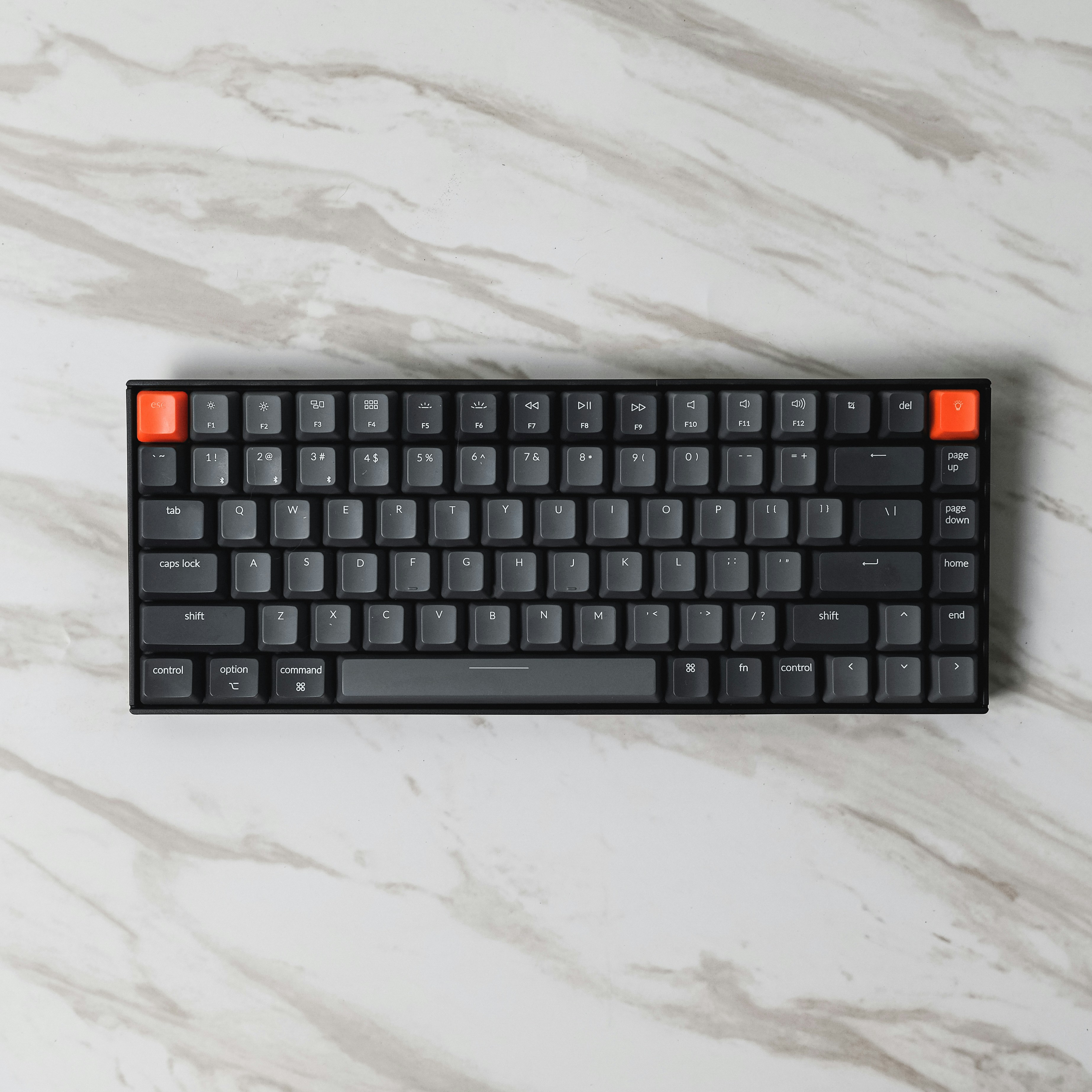
ANSI (American National Standards Institute) is the standard keyboard layout used in the United States and much of North America. It features a wide, rectangular Enter key, a long left Shift key (2.25u), and a total of 104 keys on a full-size board. The ANSI layout is the most common layout globally, which means it has the widest selection of keycap sets available. For custom keyboard builders, ANSI is overwhelmingly the default choice — most group-buy keycap sets, custom PCBs, and enthusiast cases are designed primarily for ANSI.
The backslash/pipe key sits above the Enter key, and the left Shift is comfortably large for gaming, where it's frequently used for sprint or crouch modifiers.
What Is the ISO Layout?
ISO (International Organization for Standardization) is the standard layout used across Europe, the UK, and many other regions worldwide. Its most distinctive feature is the tall, inverted-L shaped Enter key that spans two rows. The left Shift key is split into two keys — a shorter Shift (1.25u) and an extra key next to it (typically the less-than/greater-than key). A full-size ISO keyboard has 105 keys, one more than ANSI, due to the split left Shift and the extra key near Enter.
ISO layouts also include an AltGr (Alternate Graphic) key on the right side, which is used to access additional characters like €, @, and accented letters that are essential for European languages.
Key Differences: Enter Shape, Left Shift, and Key Count
The most visible difference is the Enter key — ANSI uses a wide horizontal bar while ISO uses a tall vertical shape that some users find easier to hit when touch typing. The left Shift on ISO is significantly shorter at 1.25u compared to ANSI's 2.25u, which can be problematic for gamers who frequently use Shift as a modifier during intense gameplay — the shorter key is easier to miss. The extra ISO key between left Shift and Z adds one more character position but can cause accidental keypresses. On the right side, ANSI has the backslash above Enter while ISO places it to the left of Enter.
These differences extend to the bottom row, where ISO typically includes an extra key to the right of the spacebar. Keycap compatibility is another major consideration — most keycap sets include ISO support, but the selection is notably smaller, especially for niche colorways and novelties.
Which Regions Use Which Layout?
ANSI is standard in the United States, Canada, and many parts of Asia including China, South Korea, Taiwan, and the Philippines. It's also the default in the Netherlands despite being in Europe. ISO is used throughout the United Kingdom, Germany, France, Spain, Italy, the Nordics, and most of continental Europe. Interestingly, many mechanical keyboard enthusiasts in ISO regions intentionally choose ANSI keyboards for the wider keycap compatibility, the longer left Shift for gaming, and the cleaner aesthetic.
The choice between ANSI and ISO ultimately depends on your regional language needs (accented characters are easier on ISO), your gaming preferences, and whether you prioritize keycap variety. If you primarily type in English and play competitive games, ANSI is generally the recommended choice regardless of your location.