Silent Switches
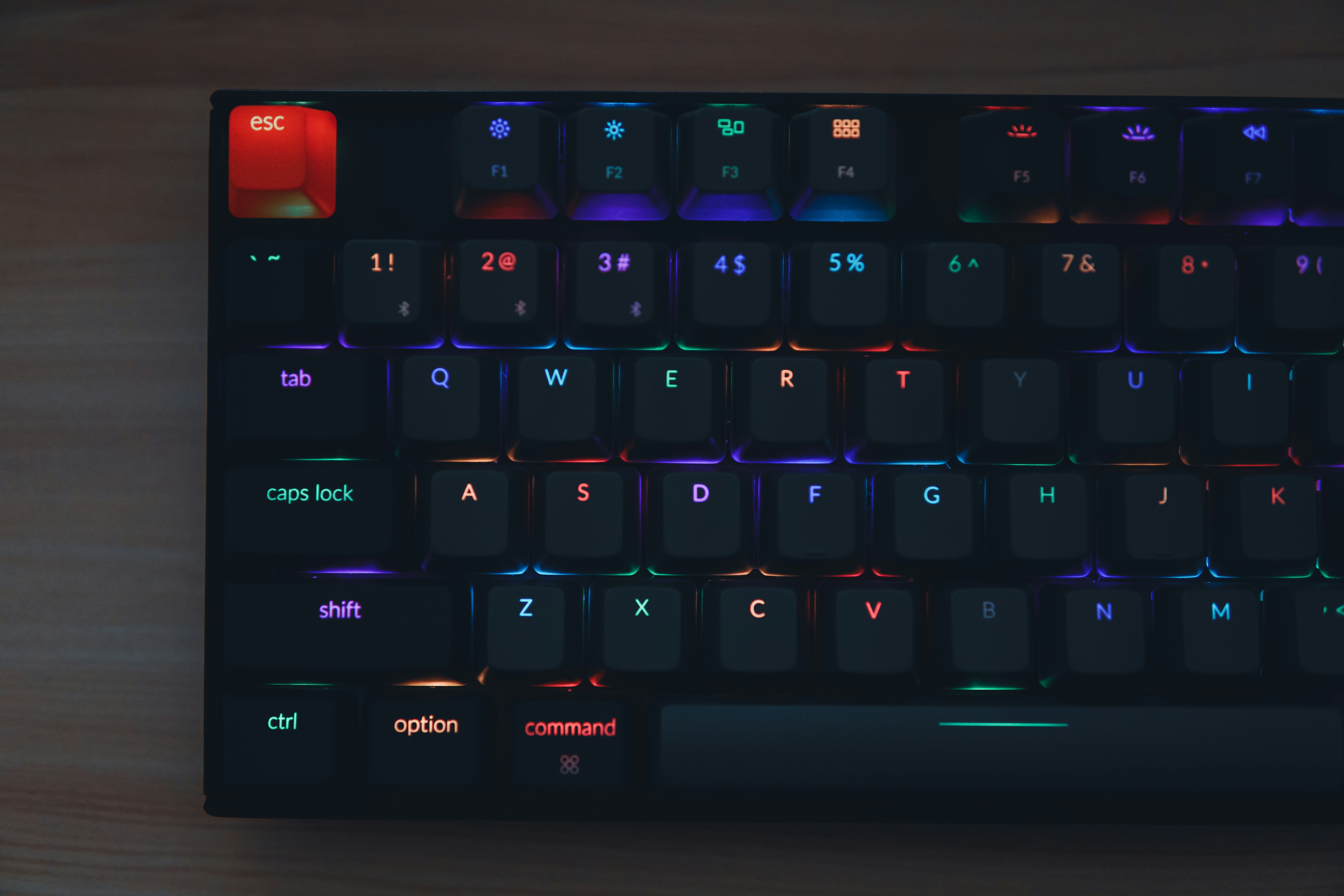
Silent switches incorporate built-in dampeners — small rubber or silicone pads — on both the stem rails and the bottom housing. These dampeners absorb the impact of both the bottom-out (when the key hits the bottom) and the upstroke (when the stem snaps back to the top), dramatically reducing the noise produced by each keystroke. The result is a mechanical keyboard that's quiet enough for even the most noise-sensitive environments.
Silent switches come in all three main types — silent linear, silent tactile, and even silent clicky variants. This means you don't have to sacrifice your preferred switch feel for quiet operation. Popular examples include the Gazzew Bobagum (silent linear), Boba U4 (silent tactile), and Cherry MX Silent Red/Black.
While silent switches can feel slightly mushy compared to their non-silent counterparts due to the rubber dampeners, modern designs have minimized this trade-off significantly.
Characteristics
- Rubber dampeners on stem and housing absorb impact noise
- Available in linear, tactile, and clicky silent variants
- Significantly quieter than standard mechanical switches
- May feel slightly mushy on bottom-out compared to non-silent
- Ideal for shared workspaces and noise-sensitive environments
Best For
Offices and shared workspaces are the natural home for silent switches. If you want the superior typing experience of a mechanical keyboard without annoying your coworkers, silent switches are the solution. They allow you to enjoy the benefits of mechanical switches — durability, customizability, and superior key feel — while maintaining professional courtesy in a shared environment.
Libraries, late-night use, and recording environments also benefit enormously from silent switches. If you work while others sleep, stream or record content, or simply prefer a quieter typing experience, silent switches let you type without the clatter that microphones and sensitive ears pick up. They're also excellent for open-plan offices and co-working spaces where mechanical keyboard noise is a common complaint.
Related Switch Types
Frequently Asked Questions
Do silent switches feel worse than regular switches?
Modern silent switches have narrowed the feel gap significantly. While early silent switches did feel noticeably mushy due to the rubber dampeners, current designs from manufacturers like Gazzew, Durock, and Cherry use thinner, more precisely engineered dampening materials that minimize the mushy sensation. The difference is now subtle enough that most users adapt within minutes.
The trade-off in feel is well worth the dramatic noise reduction for shared environments.
Can I make regular switches silent?
You cannot truly make regular switches silent, but you can significantly reduce their noise. Installing O-rings on keycap stems reduces bottom-out noise, lubricating switches reduces scratchiness, and using a desk mat absorbs case reverberation. However, none of these methods address upstroke noise — the sound of the stem hitting the top housing — which is often the loudest part of a keystroke.
Only true silent switches with built-in dampeners on both the downstroke and upstroke can achieve near-silent operation.