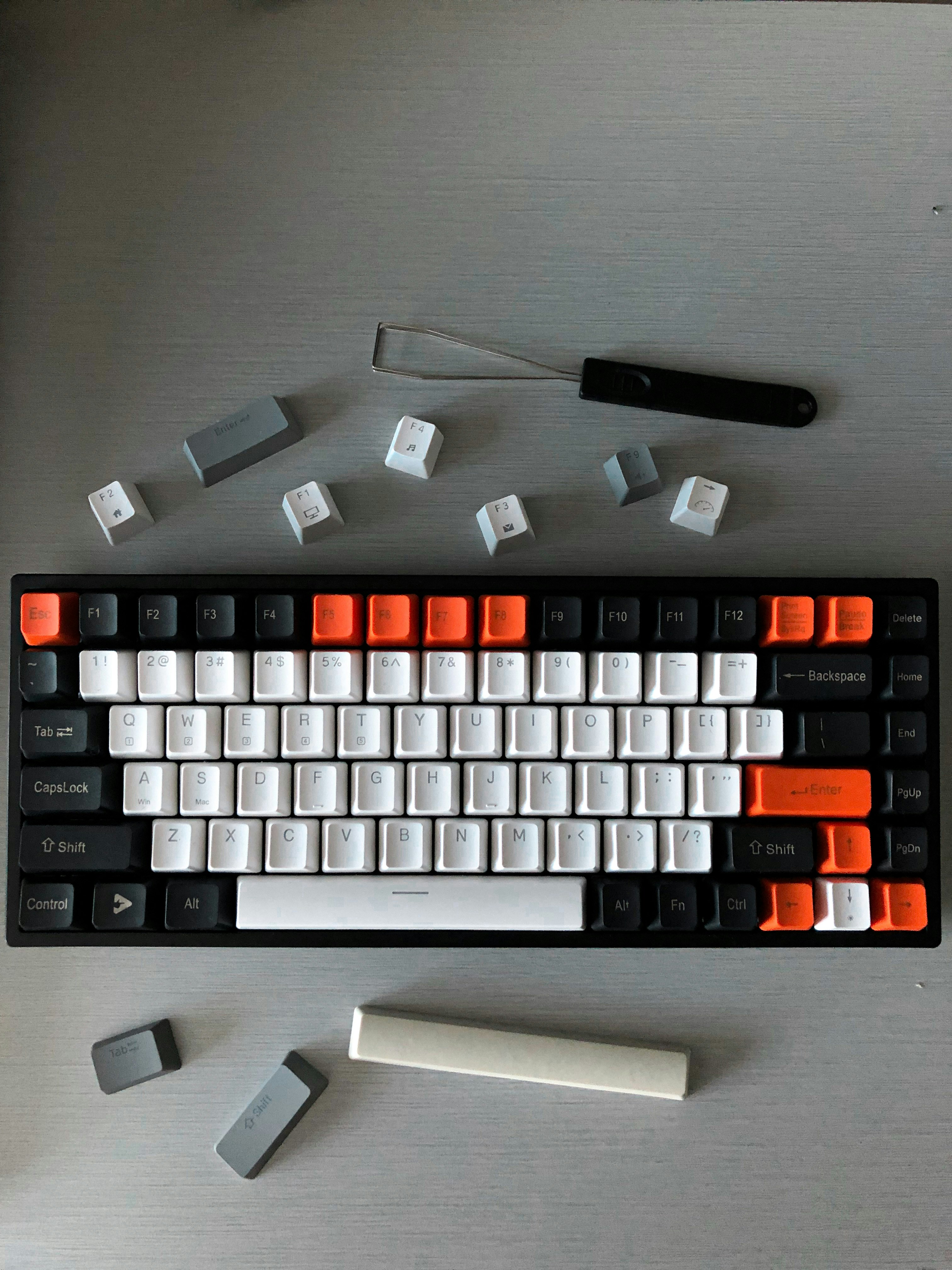
Keychron Q1 Pro
Full aluminum body, Bluetooth wireless, QMK/VIA, gasket mount — the benchmark for 75% wireless keyboards.
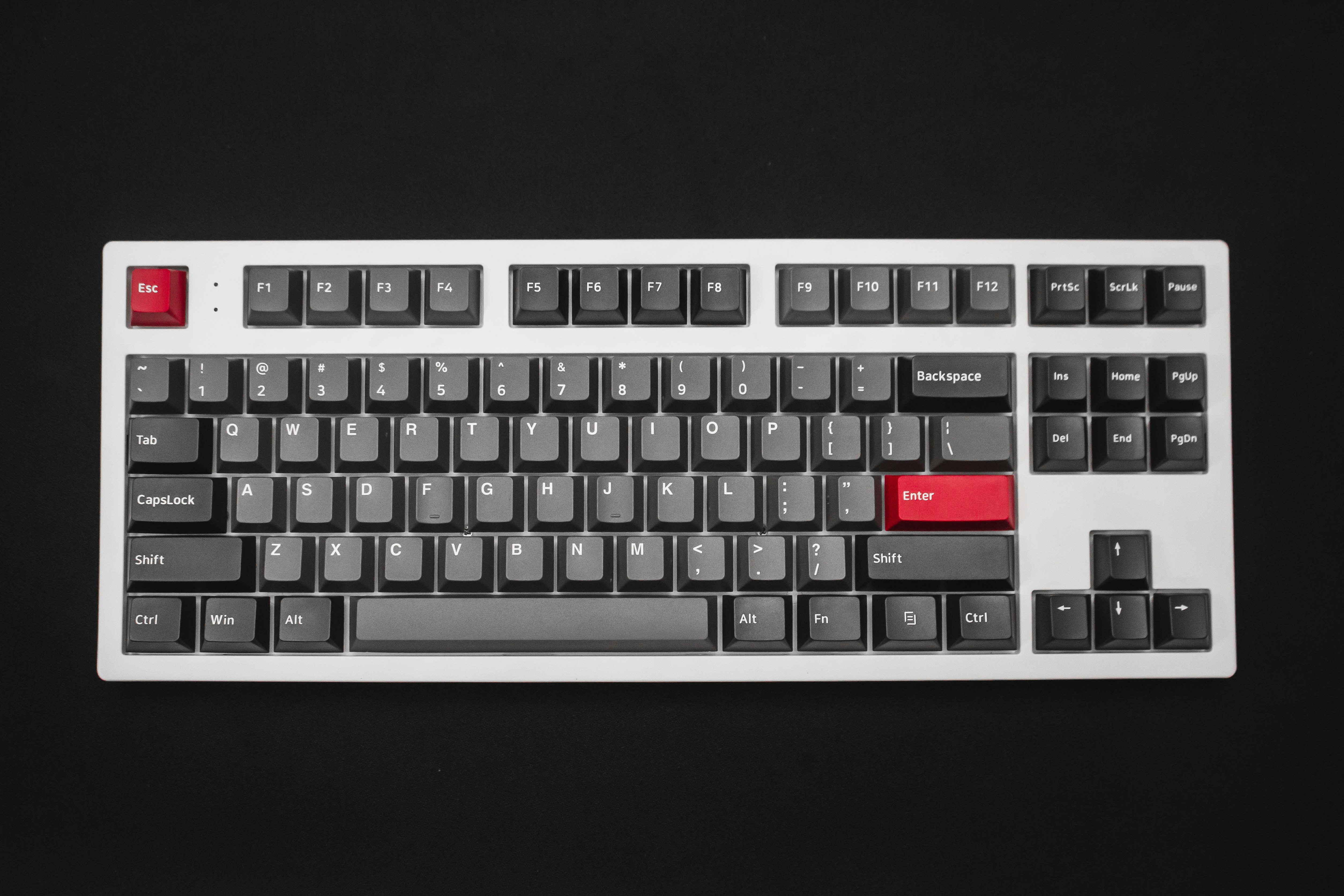
MonsGeek M1W
CNC aluminum + tri-mode wireless + 6000mAh battery + knob — the value king.
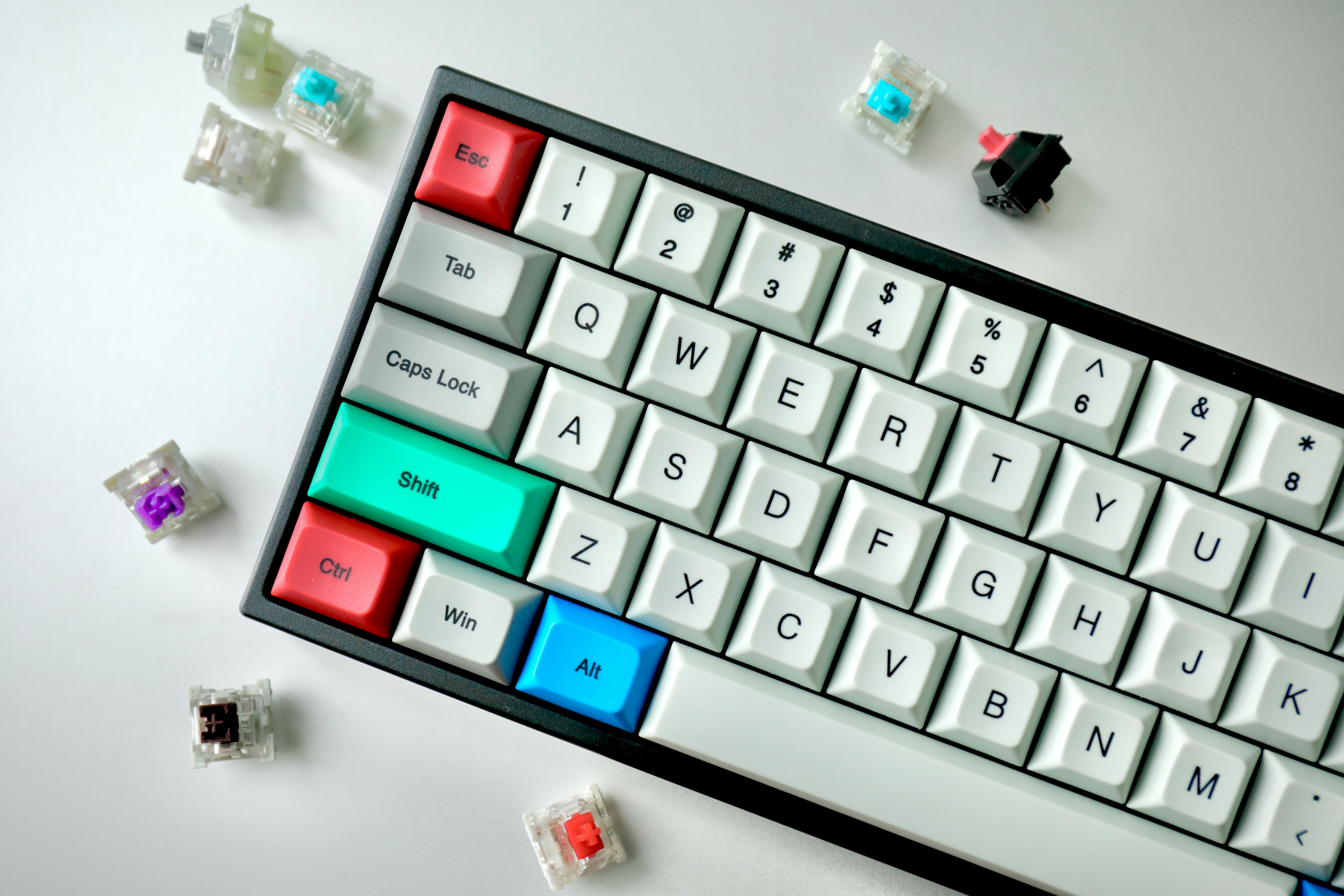
NuPhy Air75 V2
Ultra-slim low-profile design, Mac/Windows dual system, the best balance of portability and typing feel.
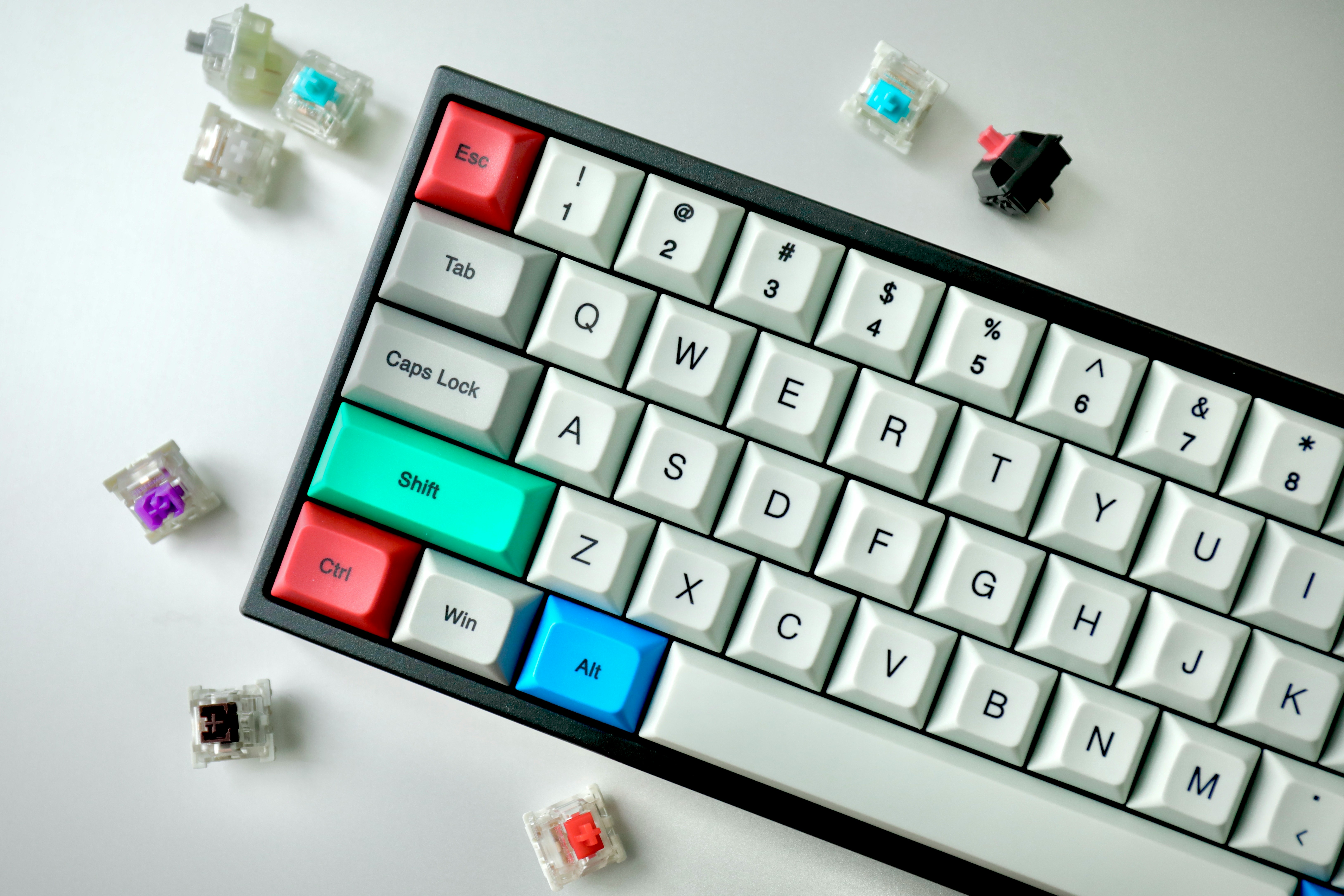
Epomaker TH80 Pro
Budget wireless 75%, knob + hot-swap + tri-mode, the entry-level pick.
Specs Comparison
| Spec | Keychron Q1 Pro | MonsGeek M1W | NuPhy Air75 V2 | Epomaker TH80 Pro |
|---|---|---|---|---|
| Price | $199 | $129 | $119 | $79 |
| Case Material | CNC Aluminum | CNC Aluminum | Aluminum top + Plastic bottom | Plastic |
| Connectivity | Bluetooth + USB-C | Bluetooth + 2.4GHz + USB-C | Bluetooth + 2.4GHz + USB-C | Bluetooth + 2.4GHz + USB-C |
| Battery | 4000mAh | 6000mAh | 4000mAh | 4000mAh |
| Switch Type | Gateron Jupiter | Akko V3 Cream | NuPhy | Epomaker |
| Mount Type | Gasket | Gasket | Tray | Gasket |
| Weight | 1.8kg | 1.6kg | 0.6kg | 0.9kg |
| QMK/VIA Support | ✅ | ✅ | ❌ | ❌ |
| Knob | ✅ | ✅ | ❌ | ✅ |
| Rating | 8.8 | 8.7 | 8.5 | 8.2 |
Build & Materials
The Keychron Q1 Pro has the best build quality of the four. The full CNC aluminum case weighs 1.8kg and feels exceptionally solid. The gasket mount uses poron strips, providing a cushioned typing feel that rivals keyboards costing $300+.
The MonsGeek M1W also uses a CNC aluminum case, weighing 1.6kg. Compared to the Q1 Pro, the aluminum is slightly thinner and the finish is less refined, but at $70 less it represents outstanding value. The gasket mount uses silicone and poron foam, delivering a typing feel that is nearly as good as the Q1 Pro.
The NuPhy Air75 V2 uses an aluminum top plate with a plastic bottom, weighing just 0.6kg. As a low-profile keyboard, it is in a different category — slim, portable, and sleek. The plastic bottom gives it a lighter feel compared to the aluminum keyboards.
The Epomaker TH80 Pro has an all-plastic case at $79. The build is acceptable for the price, with no creaking or flex, but the plastic construction and lighter typing feel don't match the aluminum keyboards. If you are new to mechanical keyboards, the TH80 Pro is a great starting point; but if you are used to aluminum builds, it will feel noticeably different.
Wireless & Battery
The MonsGeek M1W has the largest battery at 6000mAh. With RGB off, Bluetooth lasts over 300 hours and 2.4GHz lasts 200 hours. For heavy daily use, this means weekly charging at most. The tri-mode connectivity (Bluetooth/2.4GHz/USB-C) is the most versatile of the four.
The Keychron Q1 Pro supports Bluetooth wireless but lacks 2.4GHz — a notable omission. Bluetooth latency (8-10ms) is fine for productivity but not ideal for competitive gaming. The 4000mAh battery lasts about 200 hours with RGB off, which is sufficient. If you primarily use wired or Bluetooth and don't need 2.4GHz, this is not a major issue.
The NuPhy Air75 V2 has a 4000mAh battery, which is large for a low-profile keyboard. The low-power chip and low-profile switches are efficient, giving battery life comparable to the Q1 Pro. The 2.4GHz dongle provides 1ms latency, making it suitable for gaming.
The Epomaker TH80 Pro has a 4000mAh battery at a $79 price point. It supports tri-mode connectivity, and the 2.4GHz dongle provides reliable low-latency performance. With RGB on at full brightness, battery life is about 40 hours; with RGB off, it extends to 180 hours.
Typing Experience
The Keychron Q1 Pro delivers the best typing experience of the four. The gasket mount combined with Gateron Jupiter switches produces a soft, cushioned feel. The Jupiter switches are smooth and consistent with no scratchiness. The gasket flex absorbs bottom-out impact, reducing finger fatigue during long typing sessions. The acoustic foam eliminates ping and hollowness.
The MonsGeek M1W uses Akko V3 Cream switches, which have a typing feel comparable to the Jupiter. The gasket mount with silicone and poron foam provides a slightly firmer bottom-out than the Q1 Pro. The sound profile is deeper and more muted. At 90% of the Q1 Pro's typing quality for a much lower price, the value proposition is excellent.
The NuPhy Air75 V2 uses low-profile switches that offer a fundamentally different typing experience. The shorter travel distance (3.0mm vs 4.0mm) means faster actuation and quicker typing, but some users may miss the deeper travel of full-height switches. The low-profile design is excellent for portability but requires an adjustment period if you are used to standard mechanical keyboards.
The Epomaker TH80 Pro has a gasket mount on a plastic case, which provides some flex but not as much as the aluminum keyboards. The stock switches are smooth but have slight spring ping. The stabilizer performance is acceptable but not exceptional — there is minor rattle on the spacebar. For a $79 keyboard, the typing experience is good, but it doesn't match the $100+ aluminum options.
Software & Customization
The Keychron Q1 Pro and MonsGeek M1W both support QMK/VIA, the gold standard for keyboard customization. Through the VIA web interface, you can remap keys, create layers, program macros, and customize RGB — all stored in the keyboard's onboard memory with no software required to run. QMK/VIA has a learning curve, but it offers the deepest customization available.
The NuPhy Air75 V2 uses NuPhy's proprietary software (supporting Windows and macOS) for key remapping, macros, and RGB. The software is functional but not as capable as QMK/VIA — it doesn't support advanced features like tap-dance keys or complex layer configurations. For most users who need basic remapping, it is sufficient.
The Epomaker TH80 Pro uses Epomaker's proprietary software, similar in capability to NuPhy's. It handles the basics (key remapping, RGB) well, but lacks advanced customization options. At $79, the software is acceptable, but if you need deep customization, look for a QMK/VIA-compatible keyboard instead.
Our Recommendations
Keychron Q1 Pro
If you want the best typing experience and build quality, the Q1 Pro is the benchmark. Full aluminum + Gateron Jupiter + QMK/VIA = the complete package. The only downside is the lack of 2.4GHz wireless.
MonsGeek M1W
Get 90% of the Q1 Pro's quality at 65% of the price. CNC aluminum + tri-mode wireless + 6000mAh battery + QMK/VIA — at $129, nothing else comes close. If you are value-conscious, the M1W can replace the Q1 Pro.
NuPhy Air75 V2
If you need a keyboard to carry around (commuting, travel, coffee shops), the Air75 V2's 0.6kg weight and ultra-slim profile are unbeatable. Low-profile switches take adjustment, but the fast actuation rate is excellent. Best Mac compatibility.
Epomaker TH80 Pro
If you want to try wireless mechanical keyboards without a big investment, the $79 TH80 Pro is the best value. Knob, hot-swap, tri-mode wireless, gasket mount — it has all the features. Build quality and typing feel don't match the aluminum options, but for the price, it is more than sufficient.